
Adoption of the Inter-American Model Law: A story of MenEngage activism and advocacy

- Published On
- 19 Feb 2026
- Published By
- MenEngage Alliance
- Reading Time
- 5 minutes
Drawing on her own experience of digital abuse, Olimpia Coral Melo sparked a movement joined by feminist organizations and MenEngage Alliance members across the Americas. In September 2025, their efforts led to the adoption of the Inter-American Model Law, a landmark step to prevent and punish digital gender-based violence, long ignored due to patriarchal norms.
-
In 2013, at just 18 years old, Olimpia Coral Melo’s life was shattered when an intimate video was leaked by her ex-boyfriend, quickly going viral in her hometown of Huauchinango, Puebla in Mexico. Instead of receiving empathy and support from her community, Olimpia was met with judgment and derogatory labels based on patriarchal social norms putting her at fault for the situation, leaving her feeling violated by the very people she had hoped would stand by her.
“In her own words, she confessed that it felt as if her body was violated by everyone, all the time, and that she had lost her sense of identity, feeling as if her identity had been stripped away” (Suárez Estrada, 2021, p.415).
Devastated, she contemplated taking her life. However, she gathered strength and decided to approach the legal system in search of justice. A police officer told her that no crime had been committed, as she was not under-age and she had not been forced to record that video. Furthermore, the threats, harassment and attacks she was facing occurred online, for which nothing was considered real. She felt hopeless by the failure of institutions of justice to recognize the nature of violence committed against her
The problems faced by women such as Olimpia Melo in accessing justice after experiencing digital violence are illegitimized by the idea that, if the act was carried out in virtual space, the type of violence cannot be classified, recognized or accepted as SGBV.
The absence of legal recognition did not stem from the novelty of digital spaces, but from the continuity of gendered inequalities and patriarchal norms that have long rendered women’s experiences of violence invisible, whether in public, private, or now virtual spaces. In other words, as most laws are shaped by dominant patriarchal understandings of harm, violence against women is often downplayed. This reinforces the need to transform these norms to promote accountability, care, and gender justice.
For instance, across the world, countless women fall victim to various forms of digital violence, from online harassment to deepfakes. Studies show that 38% of women have personally experienced online violence, while 85% have witnessed digital abuse against others, yet no legal protections exist to address it.
Determined to drive change, Olimpia declared, “Well, if there is no classification for that crime, one has to be created.” Olimpia Coral Melo’s struggle to access justice led her to found the Frente Nacional para la Sororidad (NFS), also known as Defensoras Digitales (Digital Defenders), an organization dedicated to comprehensive care for victims of digital violence; to the generation of reports, statistics and knowledge on the subject from a feminist approach focused on victims; and to promoting legal reforms in Mexico and other countries in the American region to prevent and address digital violence, including criminalizing behaviors such as violations of sexual intimacy, threats to sexual intimacy and the creation of sexual content without consent of who appears on it, either if its real or digitally created (which now includes AI deepfakes).
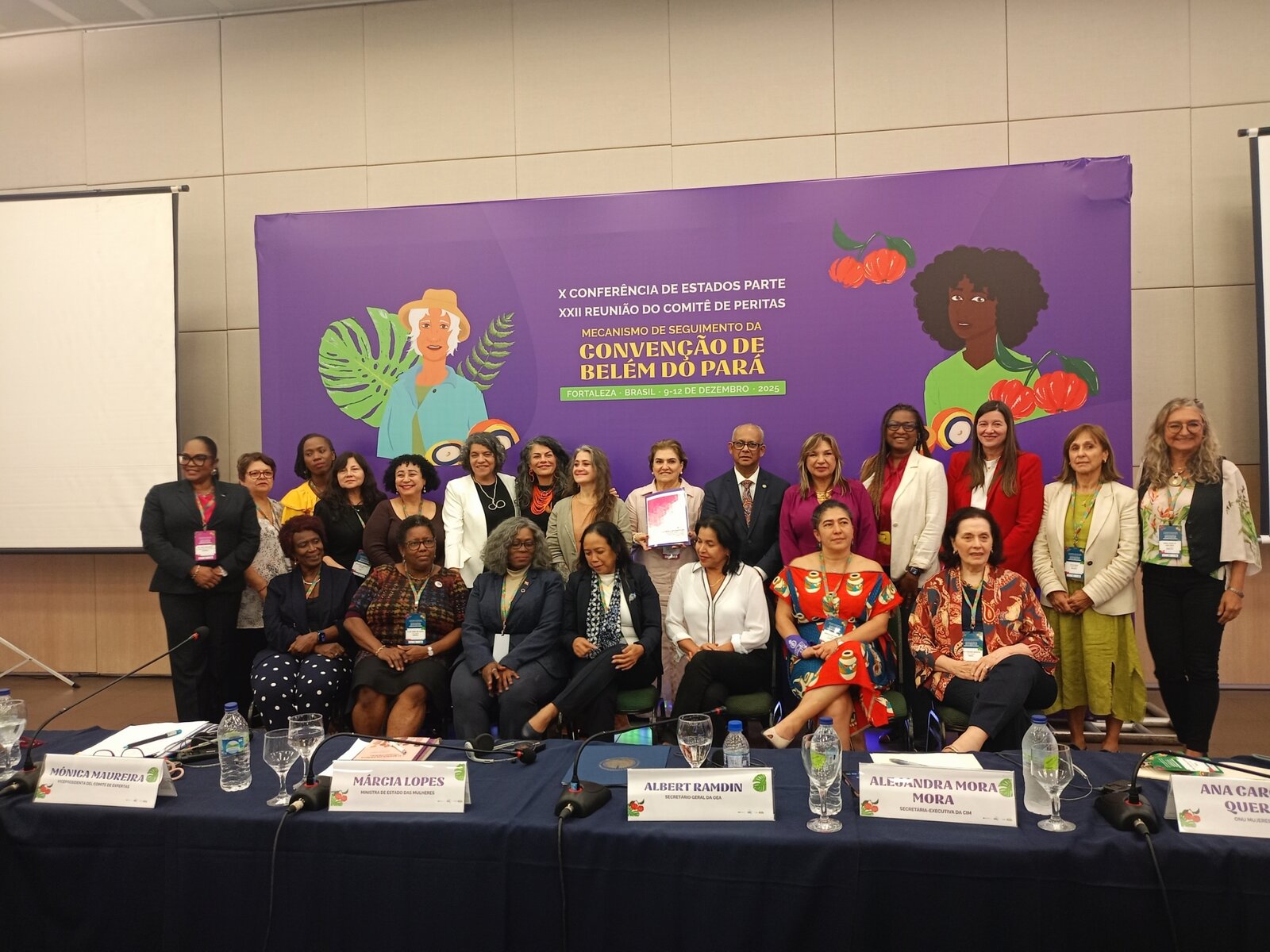
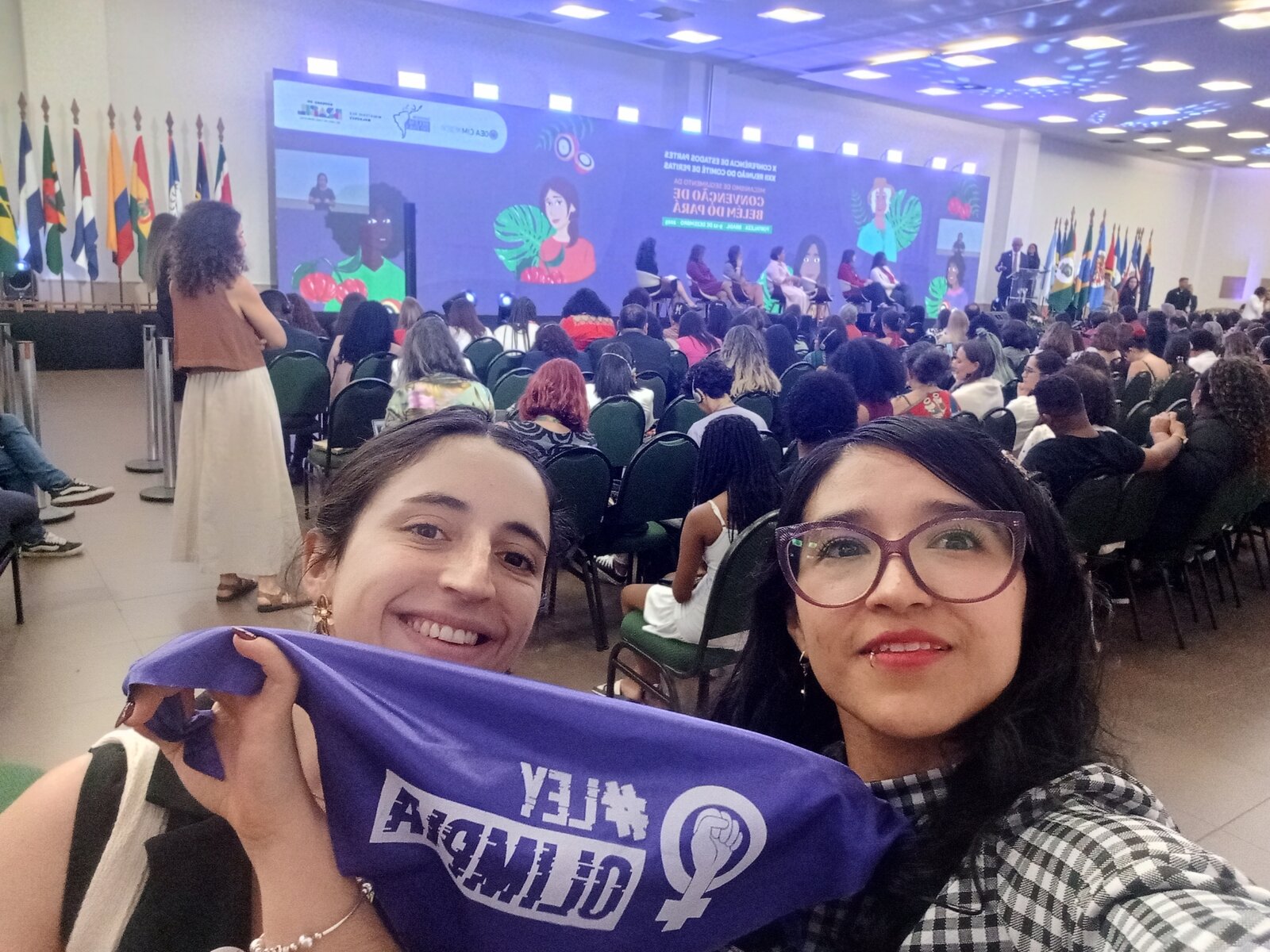
Her efforts were joined by millions of women, civil society advocates, and feminist organizations, and with the active support of leaders like Marcela Hernández Oropa, member of MenEngage Alliance, and its national network in Mexico, Complices por la Igualdad, they played a crucial role in promoting the Olimpia Law. The law bears her name. The law was initially approved in 26 of Mexico’s 32 states after years of struggle. In 2021, the Olimpia Law was finally approved at the federal level, creating criminal classifications for sexual harassment, crimes against sexual intimacy, and a new category of “digital violence”.
Even after it was adopted federally, the advocates and civil society groups continued pushing for broader regional protections because:
- The Olimpia Law focused mainly on non‑consensual sharing of intimate material and related digital gender violence in Mexico.
- Activists, women’s rights organizations, feminist groups, and experts recognized that the Olimpia Law did not cover the full spectrum of digital violence, such as online harassment, deepfakes, surveillance, doxing, gender‑based hate speech, and platform responsibilities
To address this broader gap, a multi‑year regional process began under the Follow‑up Mechanism to the Belém do Pará Convention (MESECVI) of the Organization of American States (OAS). It brought together national authorities, civil society organizations, experts, and women’s rights defenders from across Latin America and the Caribbean. This effort included consultations, technical drafting, and negotiations involving around 1,000 organizations and specialists from multiple countries over several years. Finally, on 10 December 2025 in Fortaleza, Brazil, the Inter‑American Model Law to Prevent, Punish, and Eradicate Gender‑Based Digital Violence Against Women was adopted.
This marked a regional breakthrough in developing a coordinated legal framework for protecting women, girls, and adolescents from technology‑facilitated gender‑based violence. The law defines digital violence as any gender-based act, conduct, or omission that causes harm, physical, psychological, sexual, economic, or political, through digital technologies. It pays special attention to women and girls who face extra challenges due to age, gender identity, sexual orientation, ethnicity, socio-economic status, or disability. This is important because justice must reach everyone, not just those with power or privilege.
What makes this law remarkable is that it is a coordinated effort across the region, signaling that digital violence is not just an individual problem but a violation of human rights. Moreover, the law is grounded in intersectionality and recognizes the different ways people are affected and provides fair protection for all. The law holds digital platforms accountable, requiring them to remove harmful content quickly, preserve evidence, and work with authorities. This matters because, without such rules, online spaces remain unsafe and survivors often have nowhere to turn.
It also strengthens justice systems by training operators and coordinating between institutions, which is crucial so survivors can access help without fear or stigma. The law also promotes prevention and digital literacy, helping people understand and avoid digital harm before it happens. It creates safe and democratic online spaces, which is essential in a world where so much of life happens digitally.
What is commendable is that the preamble of the model law acknowledges the pivotal role played by women and feminist organizations, including Defensoras Digitales, in documenting and addressing digital violence. Their advocacy has been crucial in shaping the law and ensuring that it responds to real-world needs. The adoption of this model law in Fortaleza marks a significant milestone in the fight against digital violence. It reaffirms the commitment of the region to uphold women’s rights in the digital realm and paves the way for a new era of legal and institutional reforms not only within Mexico but across the region.
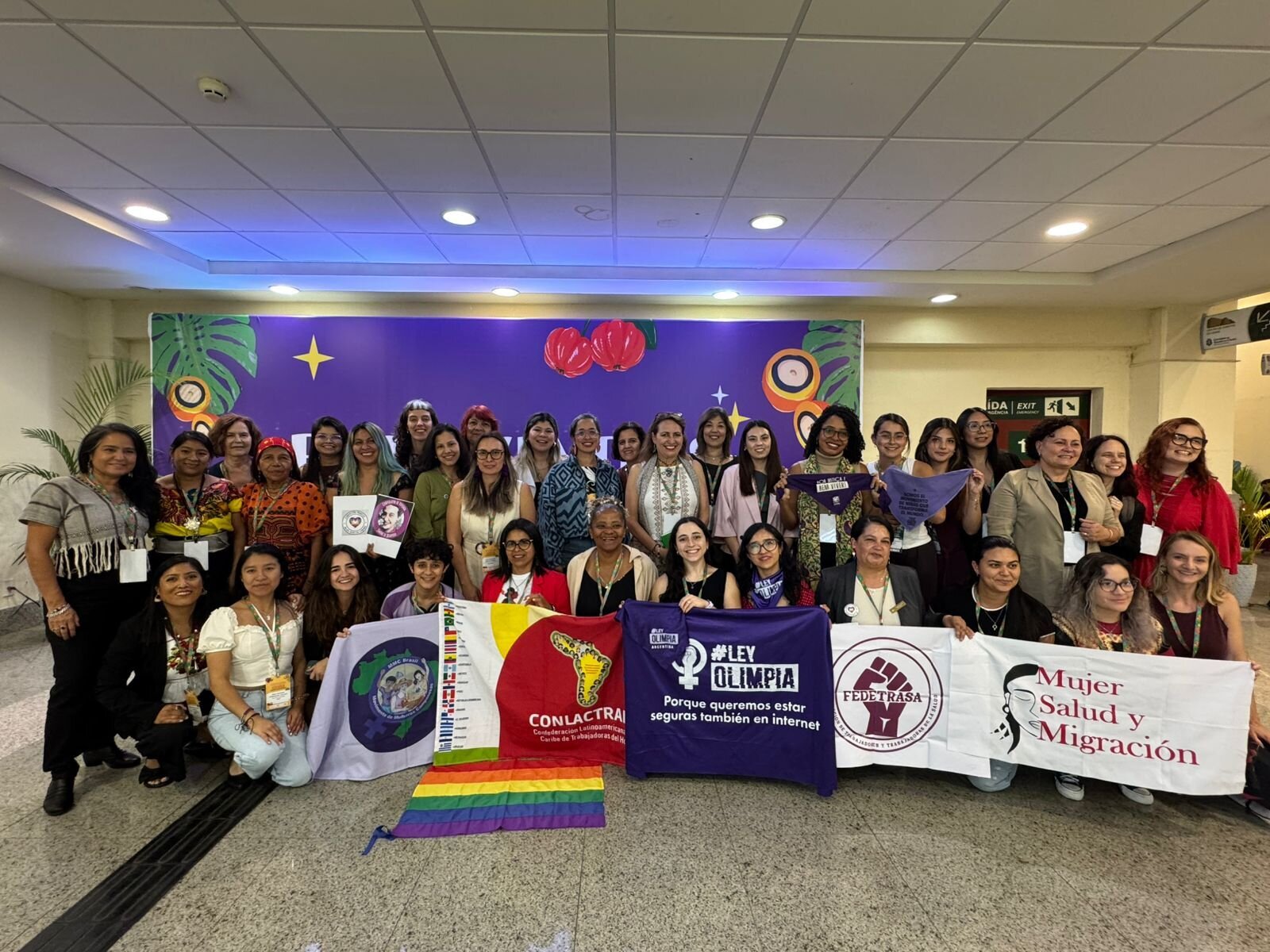
The journey from Olimpia Coral Melo’s personal struggle to the adoption of the Olimpia Law and, ultimately, the Inter-American Model Law, highlights a powerful message of hope and resilience. This coordinated effort demonstrates that meaningful change is possible when advocates, feminist organizations, and civil society jointly raise their voices for change.The law not only addresses digital violence comprehensively but also inspires policymakers and advocates worldwide, showing that coordinated efforts can lead to significant legal reforms.
However, while the adoption of such laws in North America and Mexico is a significant achievement, it’s crucial to recognize that many countries still lack comprehensive digital violence legislation. According to UN reports, only a limited number of nations have implemented such protective measures, leaving many women and girls unprotected. This reinforces that true justice and safety will only be achieved when every nation takes digital violence seriously and adopts comprehensive legal frameworks.
—
Written By Lajwanti Menghwar