Speaking With Young People About the Manosphere and the Femosphere

- Published On
- 9 Mar 2026
- Published By
- MoveMen, RoSa vzw
- Languages
- Dutch, English
- Resource Type
- Toolkit
A toolkit for professionals working with young people to have well-informed, open conversations about the manosphere and femosphere.
Developed by Movemen, the toolkit unpacks the manosphere and femosphere, detailing how young people discover these online communities, why they stay there, and how they shape the attitudes young people hold towards themselves, others, and society as a whole.
The toolkit touches upon:
- Stereotypical beliefs that naturalise and even glorify traditional gender norms and gender inequality
- Heteronormativity, fear, aversion and even hatred towards LGBTQI+ people
- Transactional views on relationships
- Slut-shaming and a double sexual morale that harms women and men, and
- Antifeminism, which forms the ideological basis of the manosphere but is a little more complex in the femosphere.
The tool is meant as practical guidance to discuss these topics with young people. The goal is to open up constructive but critical conversations about the appeal of these online spaces and their impact on young people’s well-being and worldview.
The toolkit’s approach is based on curiosity and empathy: listening to young people without judgement, while encouraging them to reflect critically on the polarised and oftentimes harmful ideas about masculinity and femininity they encounter online. In the toolkit, we offer ten practical tips for dialogue and four activities to start mutually respectful dialogues.
Who will find this toolkit useful?
Professionals working with young people (aged 16 and over).
About the authors
The toolkit was developed by MoveMen, a joint initiative of RoSa vzw and Keertij (Belgium), with the support of the Flemish Government. It toolkit is free to use and share with proper attribution. It is complemented by a training programme for professionals offered by RoSa vzw and Keertij, in which professionals from diverse fields who work directly with young people learn about the toolkit, practice running practical activities, and exchange experiences and insights. More information (in Dutch) is available here.
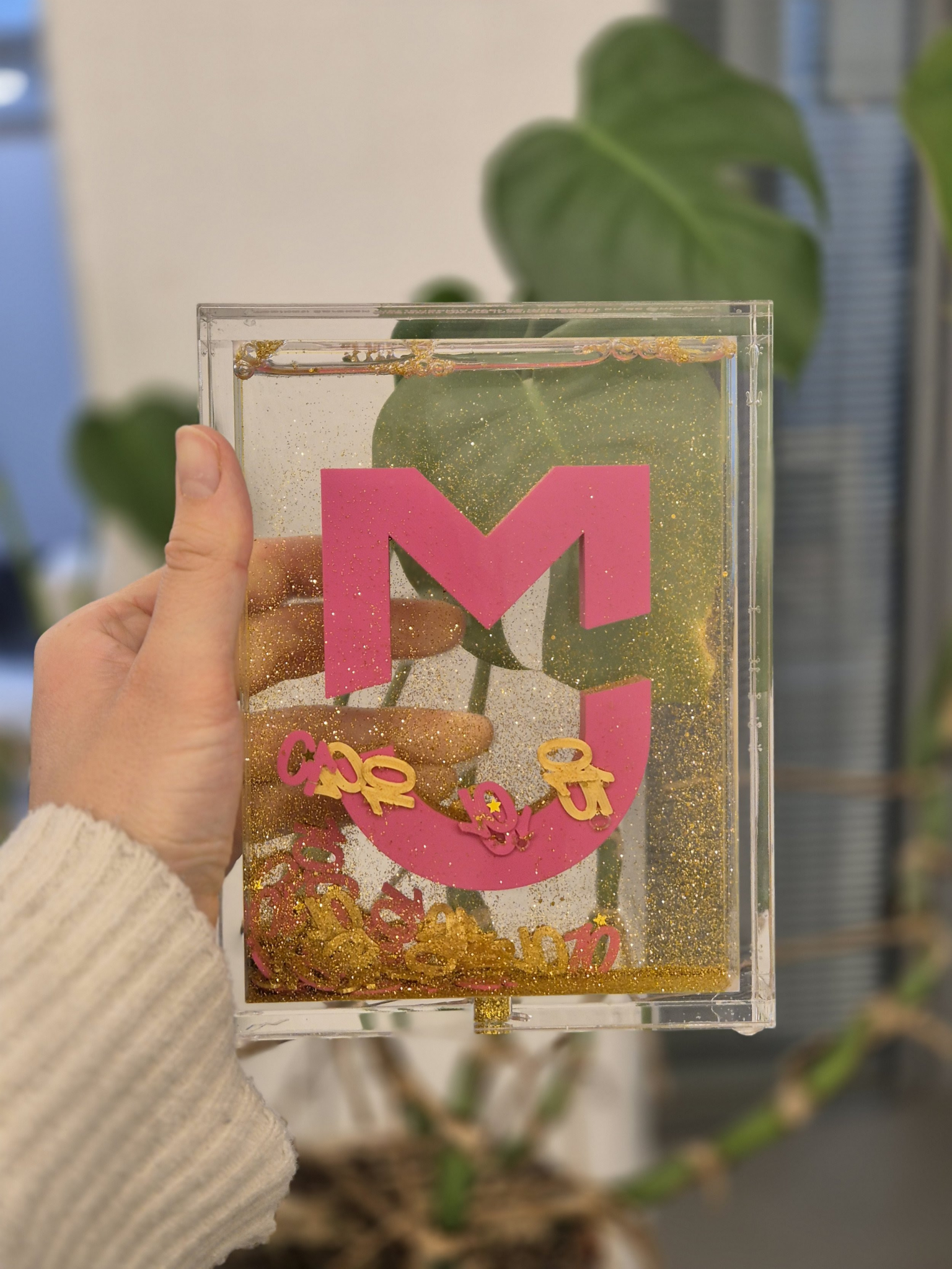
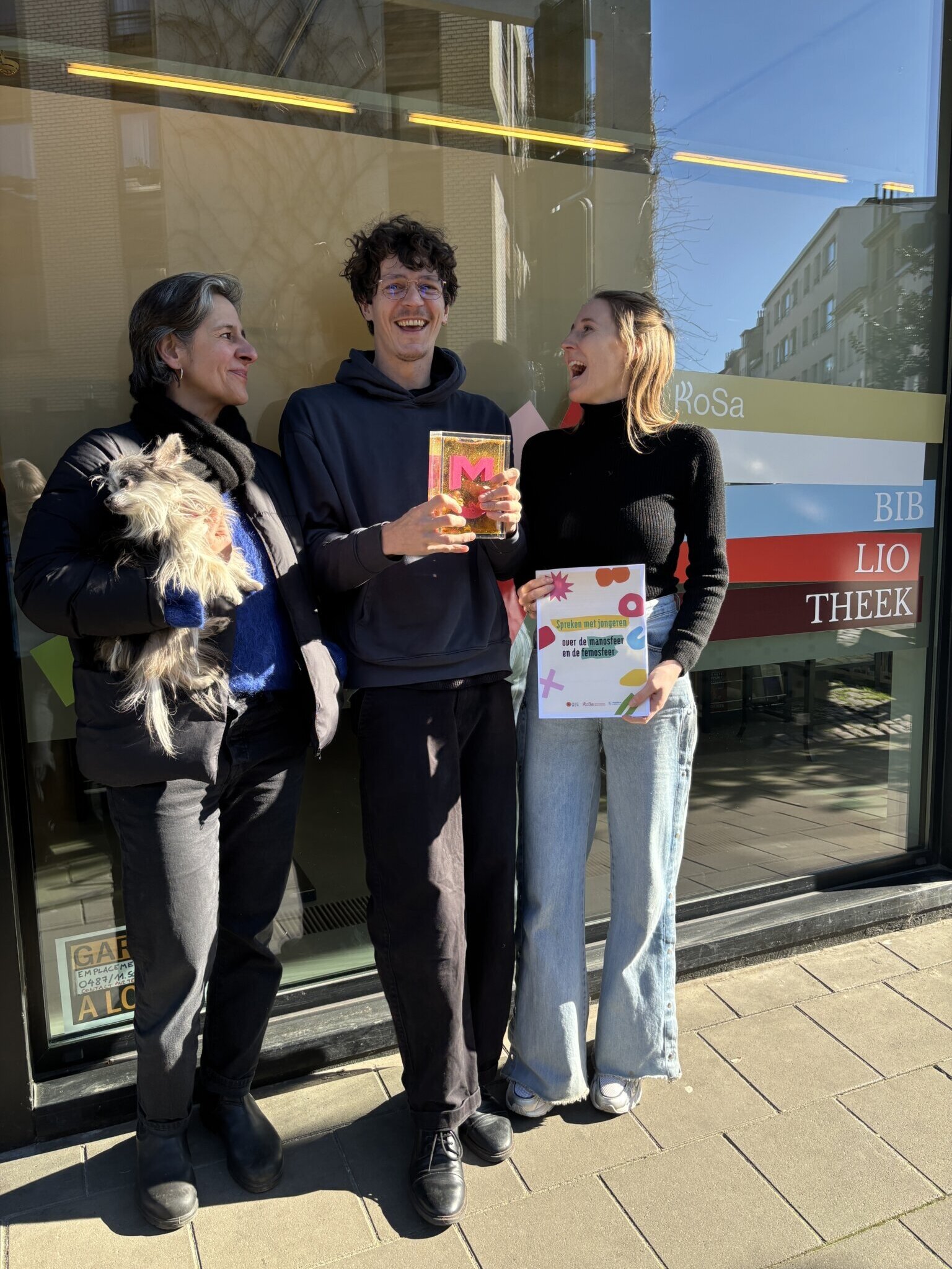
In February 2026, the toolkit was recognised by media literacy organisation, Mediawijs as “a smaller project that deserves greater recognition and visibility.” More information (in Dutch) here.